
Spring Showers and Structural Risks: Why Water Intrusion Should Never Be Ignored
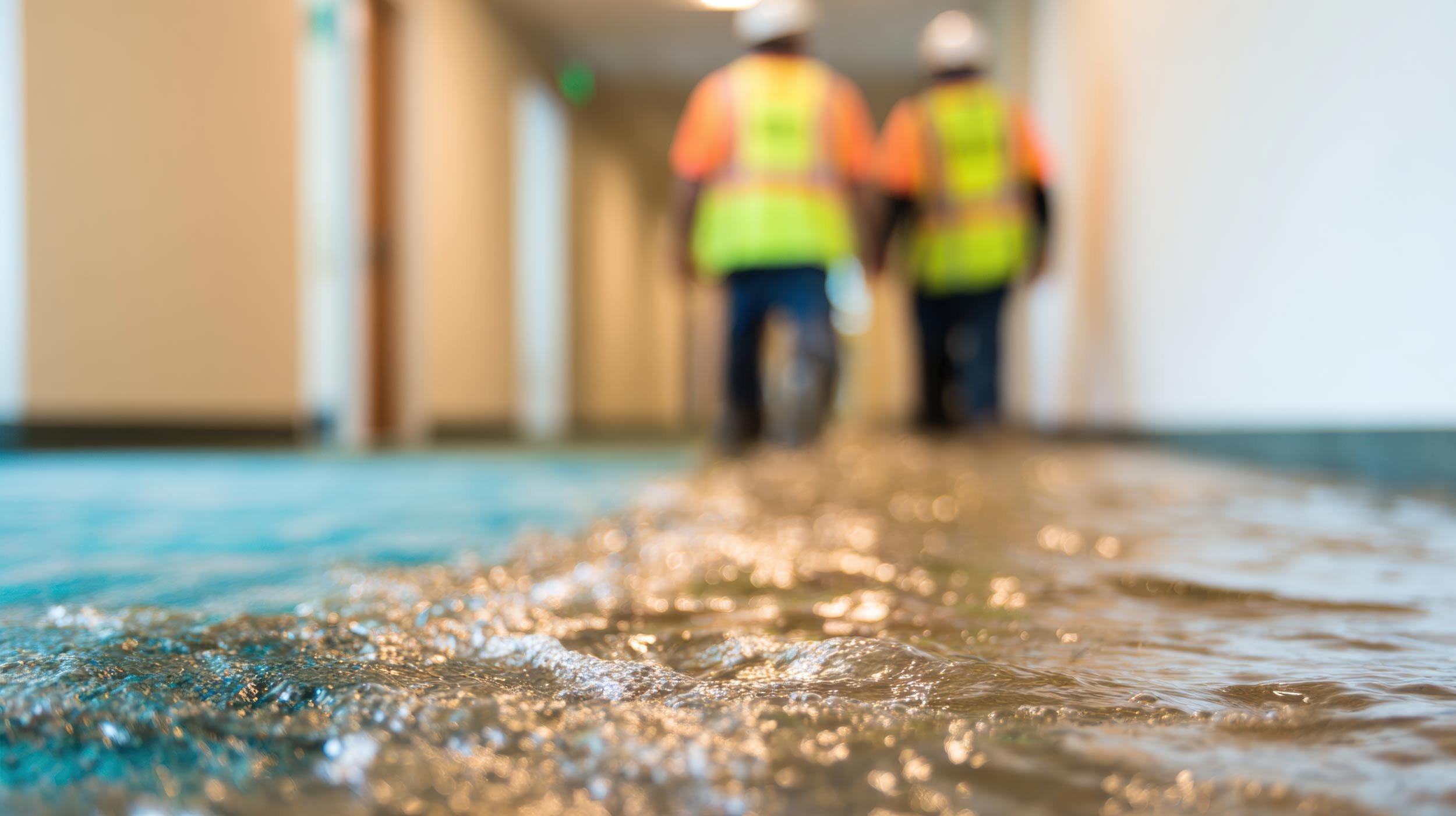
As winter fades and spring arrives, many property owners welcome the warmer temperatures and seasonal rains.
While the rain helps revive the landscape, it can also expose vulnerabilities in buildings that developed over the harsh winter months.
For commercial and industrial facilities in particular, spring’s wet conditions can quickly turn minor building issues into significant structural and environmental problems if water intrusion is allowed to persist.
At DANE Contractors, we often see how small leaks or unnoticed moisture infiltration during the spring season can escalate into costly repairs if they are not addressed early.
Why Spring Creates Ideal Conditions for Water Intrusion
Winter weather can quietly weaken building envelopes. Ice buildup, freeze-thaw cycles, and heavy snow loads often leave behind small cracks, compromised flashing, or damaged roofing materials. When spring rains arrive, these hidden weaknesses can allow water to enter the structure.
Even a small point of entry can allow moisture to spread behind walls, above ceilings, or beneath flooring materials, where it may remain undetected until visible damage appears.
Warning Signs of Water Intrusion
Property managers and building owners should remain alert for early indicators that moisture is entering the building. Catching these signs early can prevent larger structural and environmental issues.
Common signs include:
Water stains on ceilings or walls
Peeling paint or bubbling drywall
Musty odors in interior spaces
Warping floors or soft building materials
Visible mold or mildew growth
Dripping or dampness after heavy rain
These warning signs often indicate that water has already penetrated deeper than the surface.
The Hidden Risks Behind Moisture
Water intrusion is rarely just a cosmetic issue. When moisture infiltrates a structure, it can compromise multiple building systems.
Persistent moisture can lead to:
Mold growth. Damp environments create ideal conditions for mold to develop, which can affect indoor air quality and pose health concerns for occupants.
Structural deterioration. Water weakens wood framing, rusts metal components, and degrades insulation and drywall over time.
Electrical hazards. Water infiltration around wiring or electrical panels can create serious safety risks.
Business disruption. For commercial and industrial facilities, moisture-related damage can halt operations, damage equipment, and require extensive remediation.
How to Address Water Intrusion Quickly
The most effective response to water intrusion is rapid action. Once moisture is detected, the source of the intrusion must be identified and corrected immediately.
Key steps include:
Identifying the point of water entry
Removing standing water or saturated materials
Drying affected areas using professional drying equipment
Addressing mold growth if present
Repairing damaged structural or interior components
Professional remediation ensures that moisture is completely removed and prevents hidden damage from continuing to spread behind walls or within building assemblies.
Prevention Is Always Less Costly Than Repair
Routine inspections are one of the best ways to protect buildings from water-related damage. After winter, it is especially important to examine roofs, drainage systems, exterior walls, flashing, and foundation areas for signs of wear or failure.
Facilities that proactively address small maintenance issues early in the season are far less likely to experience large-scale restoration projects later.
A Trusted Partner in Emergency Recovery
When water intrusion occurs, quick and experienced response is critical. With more than three decades of experience in commercial property restoration and disaster recovery, DANE Contractors provides rapid mitigation, drying, and structural repair services that help facilities recover quickly and safely.
Spring rains may be unavoidable—but serious damage from water intrusion doesn’t have to be.
If you suspect water intrusion in your facility, addressing the issue immediately can save significant time, cost, and disruption down the road.