
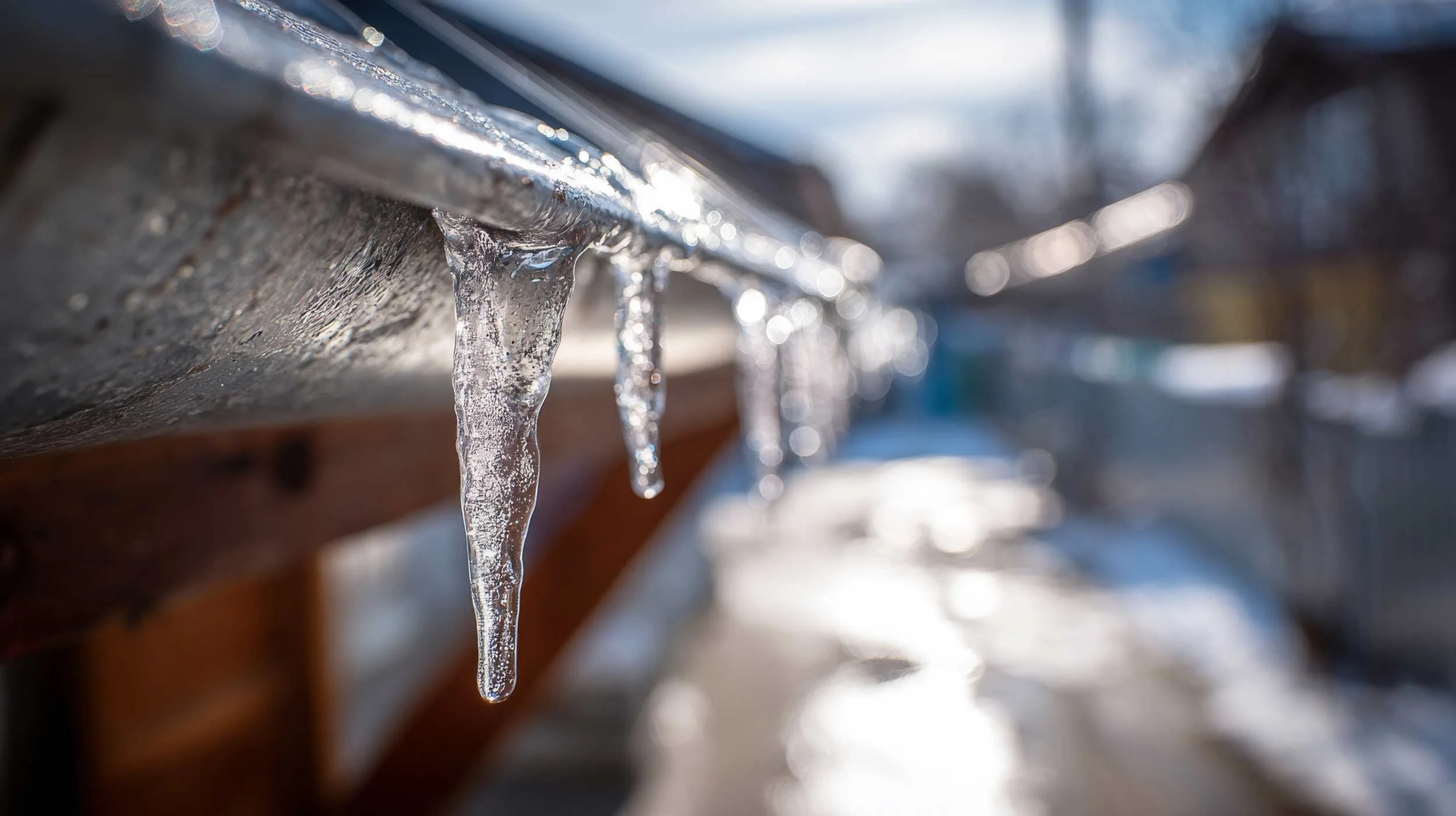
After weeks of snow accumulation, ice buildup, and prolonged freezing temperatures, a warming trend can feel like a welcome relief.
But for commercial and industrial property owners, the thaw period often brings a new set of risks—many of which can cause more damage than the winter storms themselves.
As temperatures rise, the snow and ice that have been sitting on roofs, around foundations, and inside drainage systems begin to melt. This sudden shift creates pressure points throughout a building and can expose hidden weaknesses that developed during the deep freeze. At DANE Contractors, we frequently see an increase in emergency calls during thaw conditions because this is when pipes burst, water finds new pathways, and structural issues reveal themselves.
Knowing what to look for during this transition period can help property owners act quickly, prevent further damage, and protect building integrity.
Burst Pipes and Water Leaks
One of the most common and costly problems during a thaw happens when frozen pipes begin to warm. During extended cold periods, water inside pipes can freeze and expand. The pipe may not burst right away—in fact, many hold together until temperatures rise and the ice inside melts. Once water begins flowing again, compromised sections can rupture suddenly.

Property owners and facility managers should watch for:
Water stains on ceilings or walls
Unusual drops in water pressure
Sounds of running water when systems are not in use
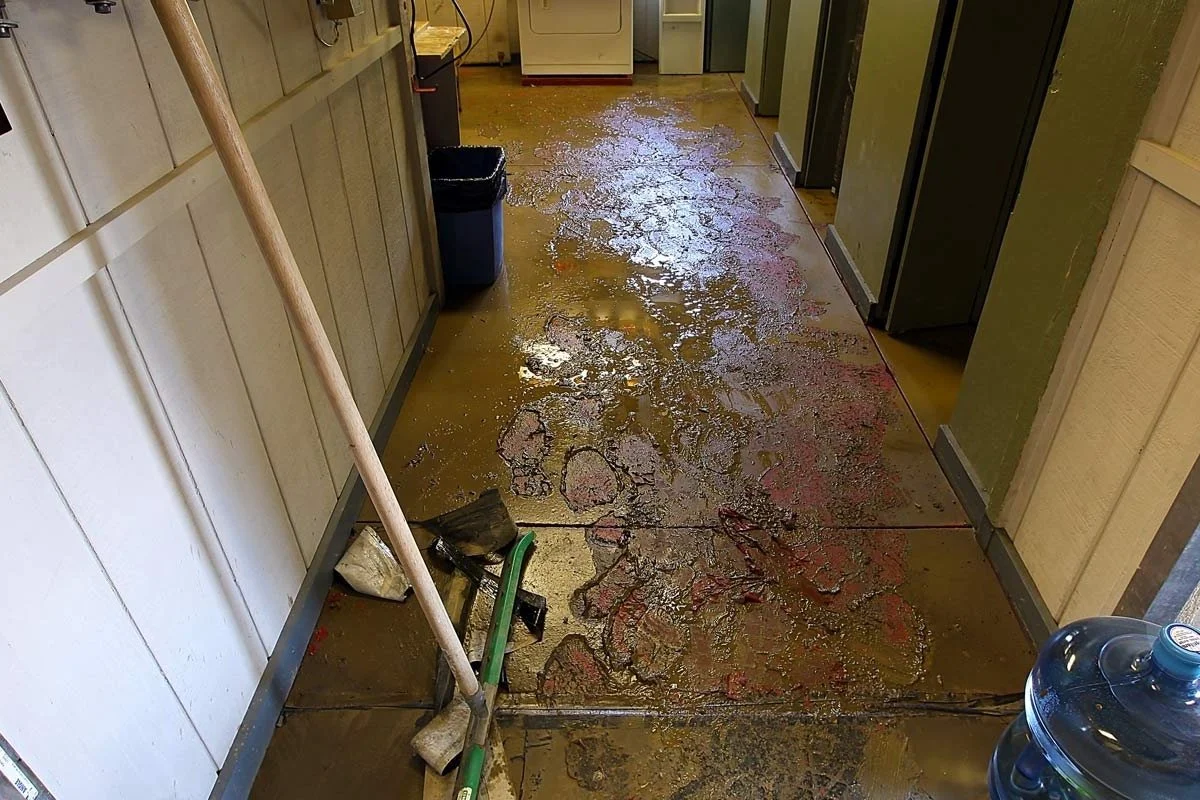
Wet floors near mechanical rooms or restrooms
These breaks can release significant amounts of water in a short time, leading to flooding, mold risk, and operational disruptions.
Roof Leaks and Drainage Failures
Heavy snow and ice often sit on commercial roofs for extended periods. When a thaw begins, that snowpack melts quickly, sending large volumes of water toward drains and roof edges.
If drains are blocked by ice, debris, or compacted snow, water can begin to pool. Standing water increases the likelihood of leaks, especially in areas where roofing systems were already stressed by snow load, expansion, and contraction.
Warning signs include:
Ponding water on flat roofs
Dripping inside the building
Stained ceiling tiles
Moisture around roof penetrations and skylights
Even small leaks can lead to insulation damage, mold growth, and deterioration of building materials if not addressed quickly.
Foundation Seepage and Interior Flooding
As snow melts around the perimeter of a building, the ground can become saturated. When the soil is still partially frozen, water has nowhere to go and may be forced toward the foundation.
This can result in:
Water seeping into basements or lower levels
Damp walls or flooring
Increased humidity indoors
Pressure against foundation walls
For industrial and commercial buildings, this type of intrusion can threaten stored materials, equipment, and electrical systems.
Ice and Snow Blocked Drainage Systems
During winter, downspouts, exterior drains, and catch basins often become clogged with ice and debris. When a rapid thaw occurs, meltwater may not drain properly and instead backs up onto roofs, into parking areas, or toward entry points.

Property owners should check:
Roof drains and scuppers
Downspouts and exterior discharge points
Parking lot drainage areas
Areas where water pools near entrances
Clearing these pathways can help prevent water from finding its way inside.
Hidden Structural Stress Revealed
Snow and ice accumulation place continuous weight and pressure on roofing systems, support structures, and exterior components. While a building may appear to handle the load well, the thaw period can reveal damage that occurred during the winter months.
Watch for:
New cracks in walls or ceilings
Doors or windows that suddenly stick
Unusual sagging or shifting
Exterior materials separating or loosening
These signs may indicate that structural elements were strained under winter conditions.

Increased Humidity and Mold Risk
As moisture enters buildings from melting snow, small leaks, and condensation, indoor humidity levels can rise. Left unchecked, this environment can promote mold growth, especially in hidden areas like wall cavities, insulation, and storage zones.
Early detection is key. Even minor water events can create long-term air quality and material damage issues if they are not properly dried and mitigated.
Why the Thaw Is a Critical Time to Stay Alert
The transition from deep freeze to warmer temperatures is one of the most active periods for property damage. Systems that held together under frozen conditions are suddenly under pressure from moving water, shifting materials, and saturated ground.
The most important step property owners can take is to remain proactive:
Inspect vulnerable areas regularly
Act quickly at the first sign of water intrusion
Monitor mechanical and plumbing systems
Ensure drainage pathways remain clear
Many issues that surface during a thaw start small but escalate quickly if left unaddressed.
A Partner When Problems Surface
At DANE Contractors, we understand how quickly thaw-related damage can impact commercial and industrial facilities. From burst pipes and water intrusion to structural concerns and full-scale mitigation, fast response is essential to protecting both property and operations.
If your building has experienced heavy snow and ice accumulation this winter, the thaw period is the time to stay vigilant. Early action can mean the difference between a manageable repair and a major restoration project.